Showing posts with label Portugal. Show all posts

Thursday, 18 May 2017

Heaven in a Meadow......re-wilding the honey bee update.

Pollinator Meadows and Portugal


I have recently returned from spending time at Quinta Das Abelhas in Portugal. 
There is clearing work going on, smothered areas of land in which broom and bramble are so thick nothing can breathe. Bramble and Broom are fantastic forage for the bees but grows so thickly and dense in the mountains it needs to make some room for diversity. It also a severe fire risk and the areas need to be made safe before the deadline in May. Last year large areas of Portugal suffered terrible bush fires and much was lost. As close as a few hundred yards from the land in places. All of which means the land needs some healing.
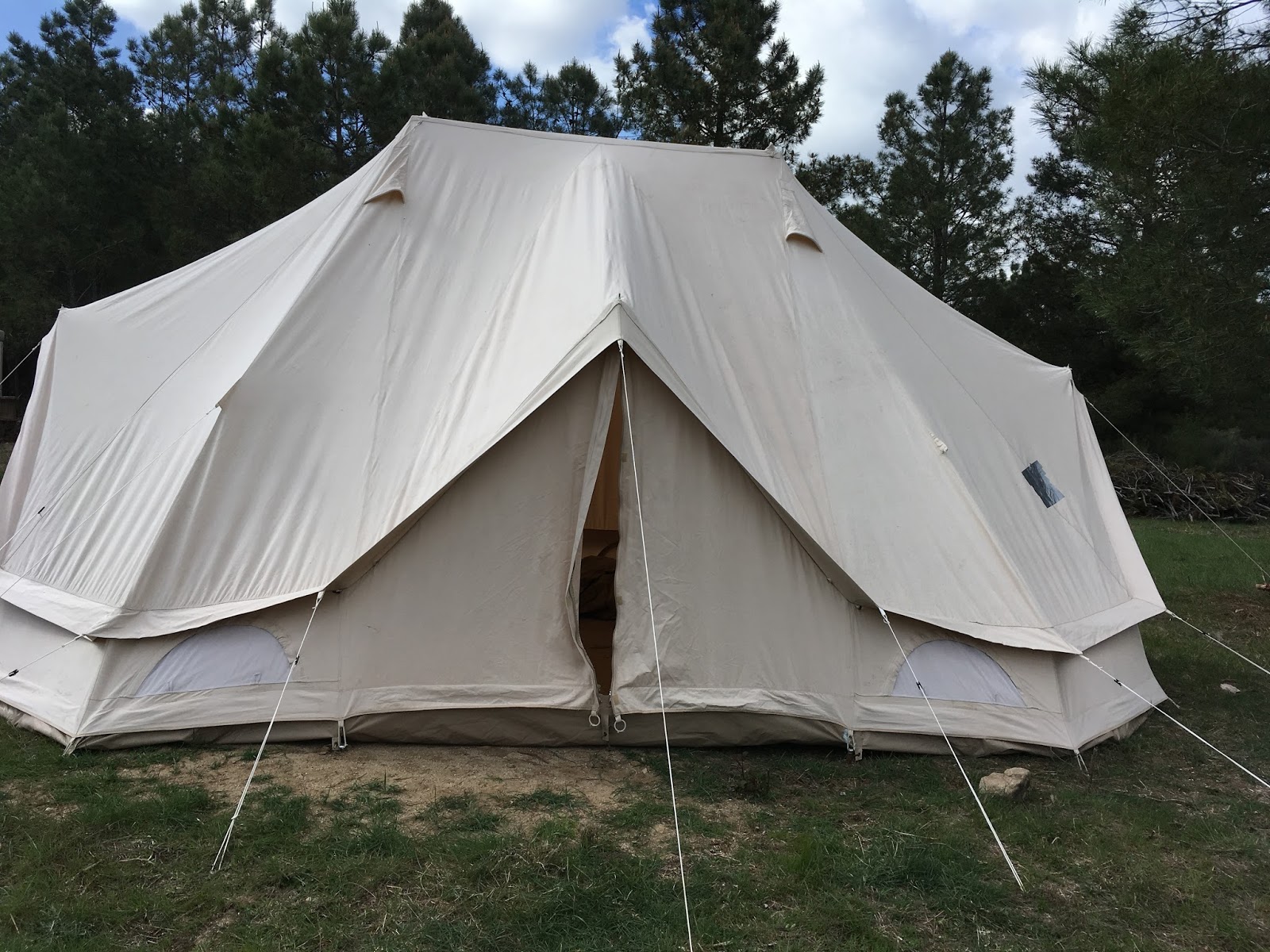
Base Camp
Home Sweet Home
The big black bumbles beautiful wing.

wild lupins

A strange hairy little chap,
 I haven't found out who he is yet!

I spent my birthday lounging around reading this fantastic
 book by Dave Goulson "A Buzz in the Meadow'
Living the Dream!


I mostly spent my time in bug heaven! Observing and making new friends,discovering what plants are coming up and what the 'flow' is and looking for areas already rich in pollinators to learn from. It is amazing to see the areas that have been completely untouched have a markedly lower percentage and variety of insects at this point in the cycle. 

These videos are from a nearby meadow that has been occasionally tended by a local family and includes a few patches of brassicas that have been left to go to seed. 
The hum in the meadow was like nothing I have ever heard before, the air was thick with sooooo many difference species of bee, bumbles, solitary, honey as well as other bugs, butterflies and even little frogs. It was my idea of bliss and I could have just stayed there all day stalking insects!
The variety of wild flower species, vetches etc was also more than you could count. There was an abundance of edible plants and forage that we found for dinner. It is the perfect example that with co-creation and care we can create the optimum environment for everybody!

It was pollen time for the pines that grow thickly around the area, the air was filled with luminous yellow/green dust coating everything thickly with a sulphurous glow and the tree tops were filled with a trance inducing meditative thrum, every hymenoptera gathered to take its fill. The willow pollen was just starting to send its fluff out on the breeze and a feisty collection of bumblebees were making a home in the roof of the ruin.


When I was there a few months earlier the moth webs we still in the tree tops, this time the caterpillars had made their way down to the ground and were moving in their snake formations along the ground.!


It is a big project and a slow grower, there is much to be done on the land to focus on regeneration as well as the 're-wilding' for the honey bees. It's a process. A conversation. A dance between the land, the bees, the other creatures that live there and us. Calling and coaxing all the potential already dwelling there out into it's most abundant, magnificent  form.
The plan is to start with a couple of hives and organically grow the process. There is 30+ hectares of forest,meadow and growing land, wells, ruins and rocks and incredible sacred sites. Locals to get to know better and the families who once tended and farmed the land whom are helping with clearing. Pedro the roaming shepherd with his jangling herd and ferocious dogs!
We are exploring the traditional cork hive and I am keen to have a go at making our own.

The wonderful Deborah, who has leapt in with feet, hands, head, heart and is in Portugal full time, doing an apprenticeship with bees on a project further south and creating networks of projects and bee folks, living in a caravan and steering the ship until the rest of the crew arrive. There is a bait hive out and a top bar hive that Deborah is currently working with.

The last morning we woke to find snow on the high Serra's, this is a view you can never grow tired of!


Wednesday, 29 March 2017

Re- wilding the honey bee

Most people who know me, know that I am passionate about small creatures, especially Hymenopterans! this family hold so much that we humans need, from wisdom to pollinators for our food supplies.
They, and we, are desperately in need of help and reconnection. Connection to nature, the wild and our own wild nature. Beautiful explained here in this podcast Lyla June, environmental anthropologist and creative. click here to listen to Endangered Diversity of Language and Life. I can't recommend it enough.


forthewild.world
This journey in conservation and connection has led me to become part of setting up Quintas Das Abelhas (Honey Bee Farm). A re-wilding and eco project in Portugal, centred around living  and working with the land in a truly holistic manner. Recovering ancient wisdom and connections with the Earth and each other. Our central focus will be Apis Melifera.


Is the answer to saving the Honey Bee re-wilding?

I believe it’s entirely possible. To me, it seems common sense that in order for Apis Melifera to become healthy and abundant again we need to let nature do what nature intended!
During 2015-16 US Bee keepers lost 40% of their populations, 150 European Bee species are in decline and the UK lost 15% of it’s bee last winter…….and this is before we even start to address the huge decline in other pollinator insect, some which have even become extinct this in 2016.

Bees naturally choose hollow tree cavities high off the ground as a home. This provides a safe environment in which to build their own comb. It is away from predators and at an optimum height for regulating humidity and moisture content. There are also some studies indicating the further benefits provided by this environment surrounding beneficial bacteria and fungi.

Recent agriculture practices, technology and beekeeping techniques have seen a rapid decline in the bees health and colony collapse as well as an explosion of diseases and infestations. The fact is, we have interfered with bees to the level that they are no longer able to manage these problem by themselves due to weaken immunity compromised nervous systems.

Our aim (here at Quinta Das Abelhas) is to explore a solution to this problem by re-wilding the Honey Bee. Our aim is to create an environment as close to nature as possible, giving the bees a chance to behave in a natural and instinctual way.. We humans will be acting as bee guardians not bee keepers, Through unobtrusive observation we can watch, learn and hopefully go someway to building a healthier and more resilient bee stock.

We will be working with a variety of techniques such traditional log hives, cork hives, tree hives (possibly a sun hive or skep, warre, for learning from) where the bees are free to build their own comb and live as nature intended. We will be observing which hives produce the healthiest colonies and encourage swarming by placing swarm boxes in trees etc. Research shows that a log hive or similar environment not only allows the bees to build, but provides a more constant state, regarding temperature, moisture and bacteria, compared to the contemporary commercial ground based framed and boxed hives.

We will not be regularly entering the hives, treating or harvesting. We will watch and learn. This mean looking at this project in the long term and monitoring the bee population as it rises, falls and thrives. It also means resisting the urge to interfere and ‘help’,a huge challenge for the most passionate beekeeper!

The idea is that we will create a landscape and environment rich in biodiversity and sustainability to foster the ultimate scenario in which the bees and other pollinators can maximize their productivity, re-production and regeneration.
This involves a full and varied diet/forage of native and indigenous plants across 30 acres of varied meadow and forest landscape.


Our hope is that this project can serve as a springboard for others. Help create a European and global network of natural beekeeping and guardianship, and a project that can develop into a space for learning and education.

More wonderful articles on natural beekeeping can be found here and at www.naturalbeekeepingtrust.org


Pictures courtesy of the natural beekeeping trust.